What are dental implants?
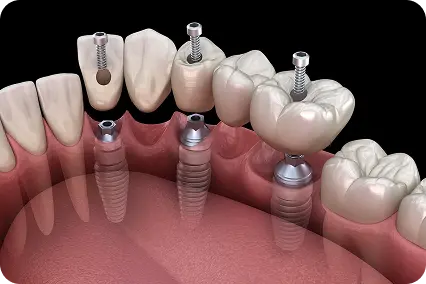
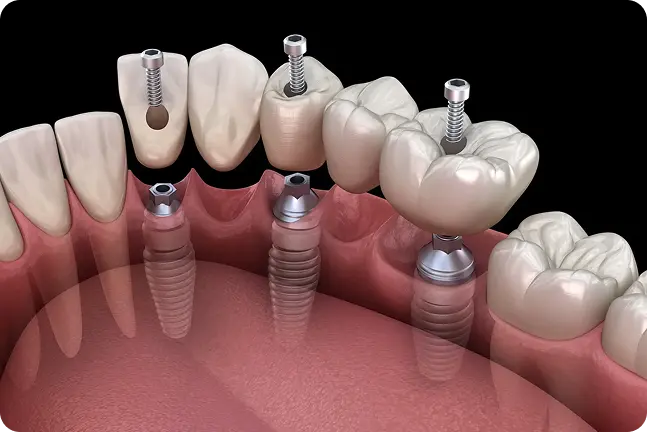
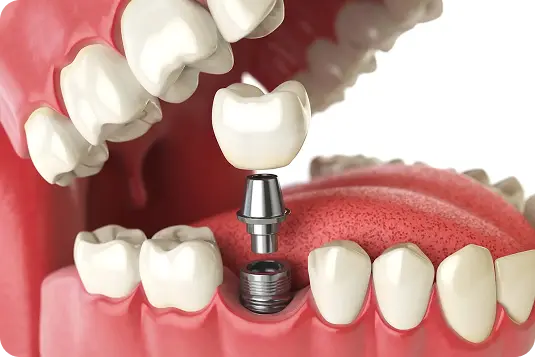
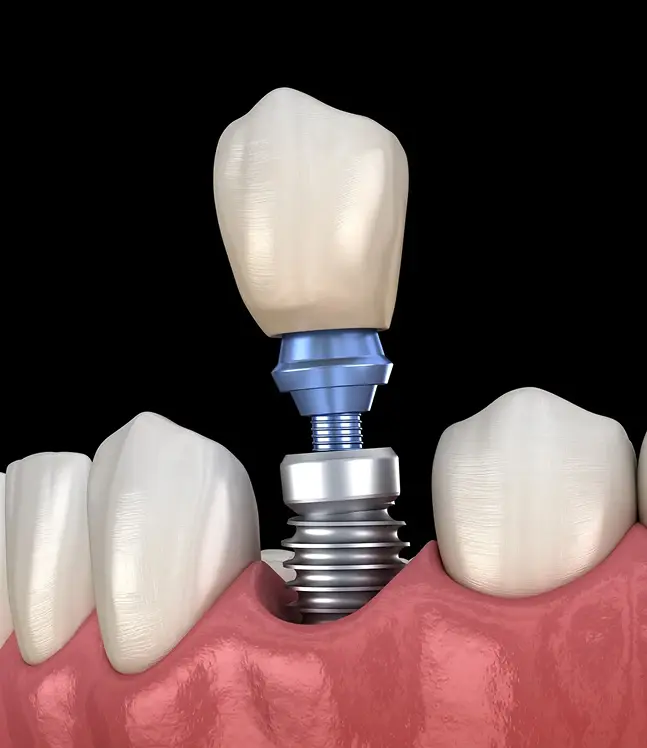
Dental implants are artificial tooth roots placed into the jawbone to replace missing teeth. A dental implant consists of three main parts:
- a titanium or zirconium screw that acts as the artificial tooth root
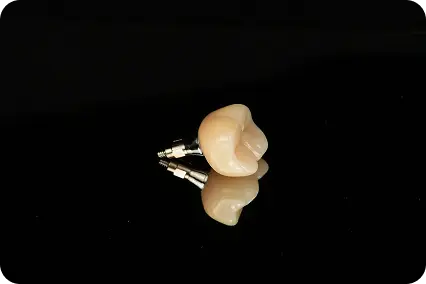
- an abutment or connector element
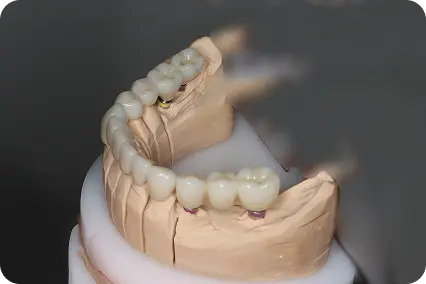
- a crown that replicates the visible part of the tooth
Implants are made of biocompatible titanium, which ensures excellent healing with the bone tissue. This process, called osseointegration, makes implants a stable and sustainable solution for tooth restoration.
Unlike traditional bridges or removable dentures, dental implants do not require the grinding of adjacent teeth. A dental implant functions independently without placing additional load on surrounding teeth. This makes implants the most conservative and tooth-tissue-sparing method for restoring missing teeth. The structure of a dental implant is so precisely designed that it mimics the structure of a natural tooth and ensures full functionality.
Why dental implants are chosen by more and more patients?
The advantages of implants are undeniable compared to other dental prosthetic methods. Dental implants provide a natural look and feel, and they look and function exactly like natural teeth. Implants restore full chewing function, allowing you to enjoy all your favorite foods without restrictions. Patients with dental implants do not have to worry about dentures slipping or discomfort during speech or eating.
Furthermore, tooth replacement with implants is one of the few ways to replace missing teeth that ensures food does not need to be cut into very small pieces, as is often necessary for patients with removable dentures; many people admit they can finally chew meat fully and effortlessly.
Another significant advantage is the preservation of bone mass. When a tooth is lost, the jawbone in that area gradually begins to diminish. Implants stimulate the bone tissue just like natural tooth roots, preventing bone atrophy or resorption and changes in facial contours. Additionally, implants are very durable and, with proper care, can last a lifetime, making them a long-term investment in health and well-being.