Dental Crowns

Have a question? Contact us Book a consultation

Dental clinics in Riga offer various solutions for restoring damaged or weakened teeth, and crowns are one of the most commonly used and effective methods. A dental crown is an artificial covering that completely encases a damaged tooth, restoring its shape, appearance, and functionality. SmileArt clinic offers high-quality constructions made from the most modern materials, serving to restore teeth and ensure both aesthetics and functionality in the long term.

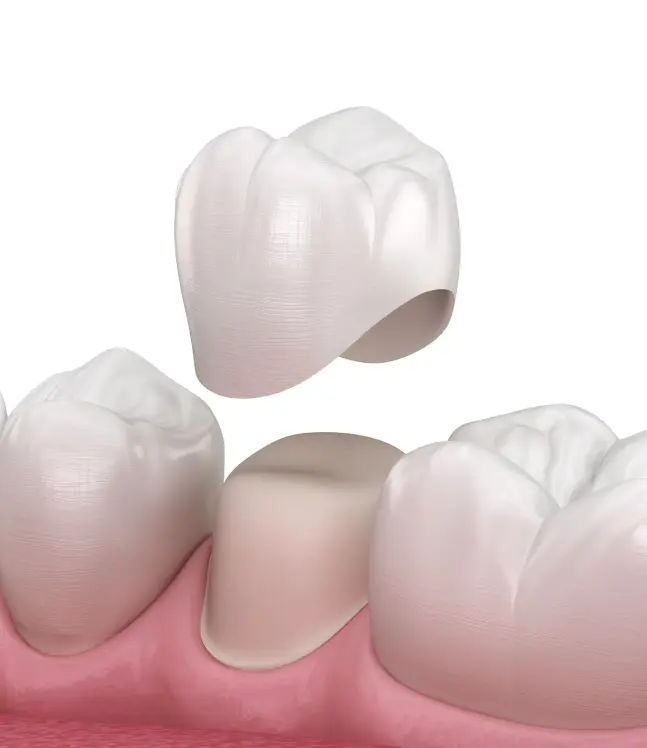
A dental crown is placed on a prepared tooth, next to the other teeth and gums

What are dental crowns and why are they used?

Crowns are a type of dental prosthesis used to protect and restore damaged teeth, restoring their functionality. A dental crown is placed when a natural tooth is severely damaged due to decay, trauma, or a large filling, but the tooth root is still healthy and capable of supporting the structure. Crowns are also used after endodontic (root canal) treatment to protect the tooth from fracture and ensure longevity.

In dentistry, crowns also serve aesthetic purposes and can improve the appearance, color, and shape of teeth, making them resemble natural teeth. Cosmetic crowns are especially popular for front teeth, where aesthetics are very important. Crowns may also be necessary in the case of dental implants, where the crown is placed on the implant.
Types of dental crowns and materials

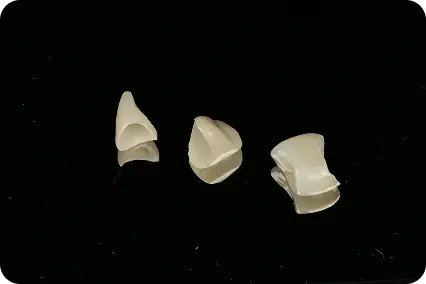
Three dental crowns on a black background, in various shapes and sizes

Various materials are used in the manufacture of modern crowns, and the choice depends on the tooth’s location and the patient’s needs. Porcelain dental crowns are an excellent choice for front teeth, as they provide the best aesthetic result and are visually almost indistinguishable from natural teeth. Ceramic material allows for precise replication of natural tooth structure and translucency, creating a natural appearance.


Zirconia dental crowns are a more modern choice, combining high durability with excellent aesthetics, and are suitable for almost any tooth area. Metal-free ceramic dental crowns, including zirconia and ceramic options, are ideal for allergic patients and those who desire the most natural appearance without visible metal. Metal-ceramic crowns, on the other hand, provide good durability at a more affordable price and are suitable for back teeth, where the load is greater and aesthetics are not the primary priority.


Cast metal dental crowns are the most durable and are used in the posterior tooth area where aesthetics are not the primary priority. Metal-free ceramic dental crowns provide the most natural light transmission and are ideal for the anterior tooth area. When choosing a dental crown material, the dentist considers both functional and aesthetic requirements.

How to choose
dental crowns?

The choice of crowns depends on several factors, including location and aesthetic requirements. For front teeth, ceramic or zirconia crowns are usually recommended, as they provide the best aesthetics and resemble natural teeth. For back teeth, where chewing load is greater, more durable materials such as metal-ceramic or zirconia can be chosen to ensure longevity.

During the consultation, the dentist will assess the condition of your teeth, discuss your wishes, and recommend the most suitable solution according to dental standards. It is also important to consider the budget, as the prices of different materials vary significantly. A wide selection of dental crowns is available at the SmileArt clinic (Mārupe), where we offer a range of high-quality dental crowns made from various materials.

How does the dental crown placement process work?

Crown placement usually takes two or three dental visits to ensure a precise and high-quality result. During the first appointment, the teeth are prepared and the tooth is reshaped to create space for the crown and ensure optimal seating for the restoration. Then, a dental impression is taken or a digital scan is performed, which is sent to the dental laboratory for crown fabrication according to individual measurements.

While the permanent crown is being fabricated in the dental laboratory, a temporary crown is placed on the patient to protect the prepared tooth area and ensure aesthetics in daily life. During the second appointment, the temporary crown is removed, and the permanent dental crown, which has been precisely made according to the measurements, is placed. Before attaching the crown to the abutment tooth, it is carefully checked that the restoration does not interfere with the bite, fits precisely to the tooth margins, and its color harmonizes with the adjacent teeth. All of this is necessary to ensure maximum comfort and functionality.

How long do dental crowns
last?

The lifespan of crowns depends on the material, quality of care, and individual factors. High-quality dental crowns can last 10-15 years or even longer if properly maintained and regularly checked. If crowns are provided with appropriate conditions, they can last for a longer period; however, it should be noted that no restoration is permanent and no more durable than natural, healthy teeth. For metal-ceramic crowns, a dark line may appear at the gum line over time, and porcelain particles may chip off, exposing the metal framework. The tooth under the crown may begin to decay over time, so it is important to visit the dentist regularly, at least once a year.


Crowns on front teeth require special attention, as they are visible when smiling and speaking. Regular tooth cleaning and dental visits help ensure that crowns maintain their appearance and functionality in the long term. Dental crown replacement may be necessary if a crack appears, the crown becomes loose, or the gum line changes.

How to properly care for dental crowns?

Caring for crowns is similar to caring for natural teeth but requires some attention and diligence daily. Brush your teeth daily with a soft toothbrush and fluoride toothpaste at least twice a day, carefully cleaning all surfaces. It is especially important to clean the area at the gum line where the crown meets the natural tooth surface to prevent plaque buildup and gum inflammation.

Regular visits to a dental hygienist are essential to keep crowns and surrounding teeth healthy in the long term. Avoid chewing overly hard foods and do not use your teeth as tools to open packages or chew ice cubes. By properly caring for dental crowns, they can be ensured a long and reliable service life, many years after their placement.

What to do if dental crowns start to deteriorate?

If you notice that a dental crown has become loose, cracked, or if your chewing sensation has changed, contact your dentist immediately to schedule a consultation. Timely problem resolution can prevent more serious damage and help preserve the healthy natural tooth beneath the crown. In some cases, the crown can be repaired or reinforced; in others, a new crown may be necessary depending on the situation.

Dental prostheses and crowns can wear out over time, so regular check-ups are important. Dental specialists can assess the condition of the crown and recommend the best solution. Dental prostheses and crowns require regular monitoring to ensure their longevity and functionality for the patient.

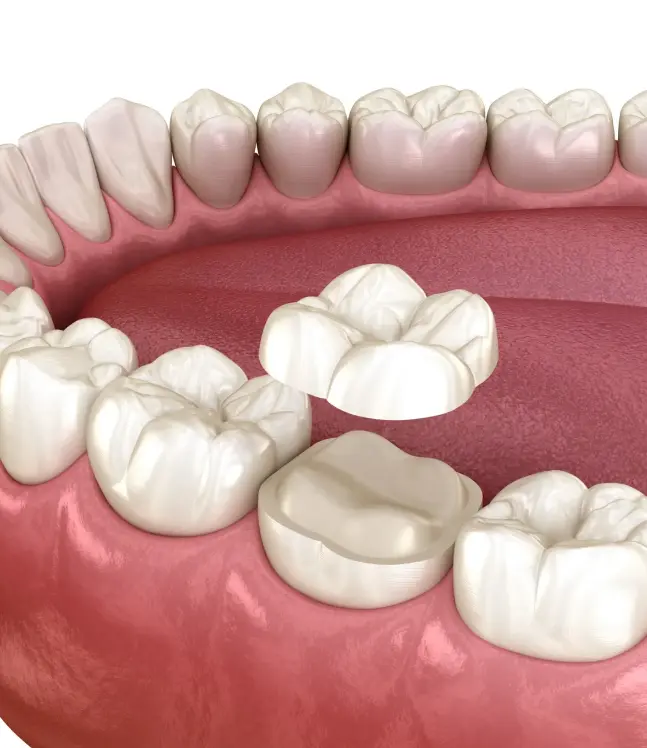
An onlay for a molar; shown here is the prepared tooth and the onlay being placed over it

Dental Crowns at SmileArt Clinic

SmileArt clinic offers a full service cycle, from consultation to the successful completion of the tooth restoration process. The clinic’s specialists work with the most modern materials and technologies to ensure an excellent result for each patient individually. Whether you need crowns for front teeth or back teeth, we will help you find the best solution.

Schedule a consultation to learn more about dental crown options and receive a personalized treatment plan for your situation. Natural teeth are valuable, and our goal is to help you preserve and restore them with high-quality crowns that last for years and provide a beautiful, healthy smile every day!